Apple's release of the iPadOS 26.4 Release Candidate marks a critical milestone in the software development cycle, signaling that the public launch is imminent. For developers and early adopters who've been testing beta versions for weeks, this RC build represents the culmination of months of refinement—and potentially the exact code that will ship to millions of iPad users worldwide.
Understanding the Release Candidate Phase
The RC designation carries significant weight in Apple's development process. Unlike beta builds, which are explicitly experimental, a Release Candidate is Apple's declaration that the software has reached production quality. The company's internal testing teams have validated stability, performance benchmarks have been met, and critical bugs have been resolved.
This phase serves a dual purpose. First, it gives developers a final opportunity to ensure their apps function correctly with the new OS before public release. Second, it acts as a last line of defense against edge-case bugs that only emerge when software runs on diverse hardware configurations and usage patterns. Apple's testing labs, no matter how sophisticated, cannot replicate every possible combination of apps, accessories, and user behaviors that exist in the real world.
The typical timeline from RC to public release spans roughly seven days, though this window can compress or extend based on what testers discover. If the RC proves stable across the testing community, Apple often releases to the public the following Tuesday or Wednesday—the company's preferred launch days for major software updates.
What Makes iPadOS 26.4 Significant
This isn't a minor maintenance update. iPadOS 26.4 represents one of the more substantial mid-cycle releases Apple has shipped in recent years, touching core apps and system functionality that iPad users interact with daily.
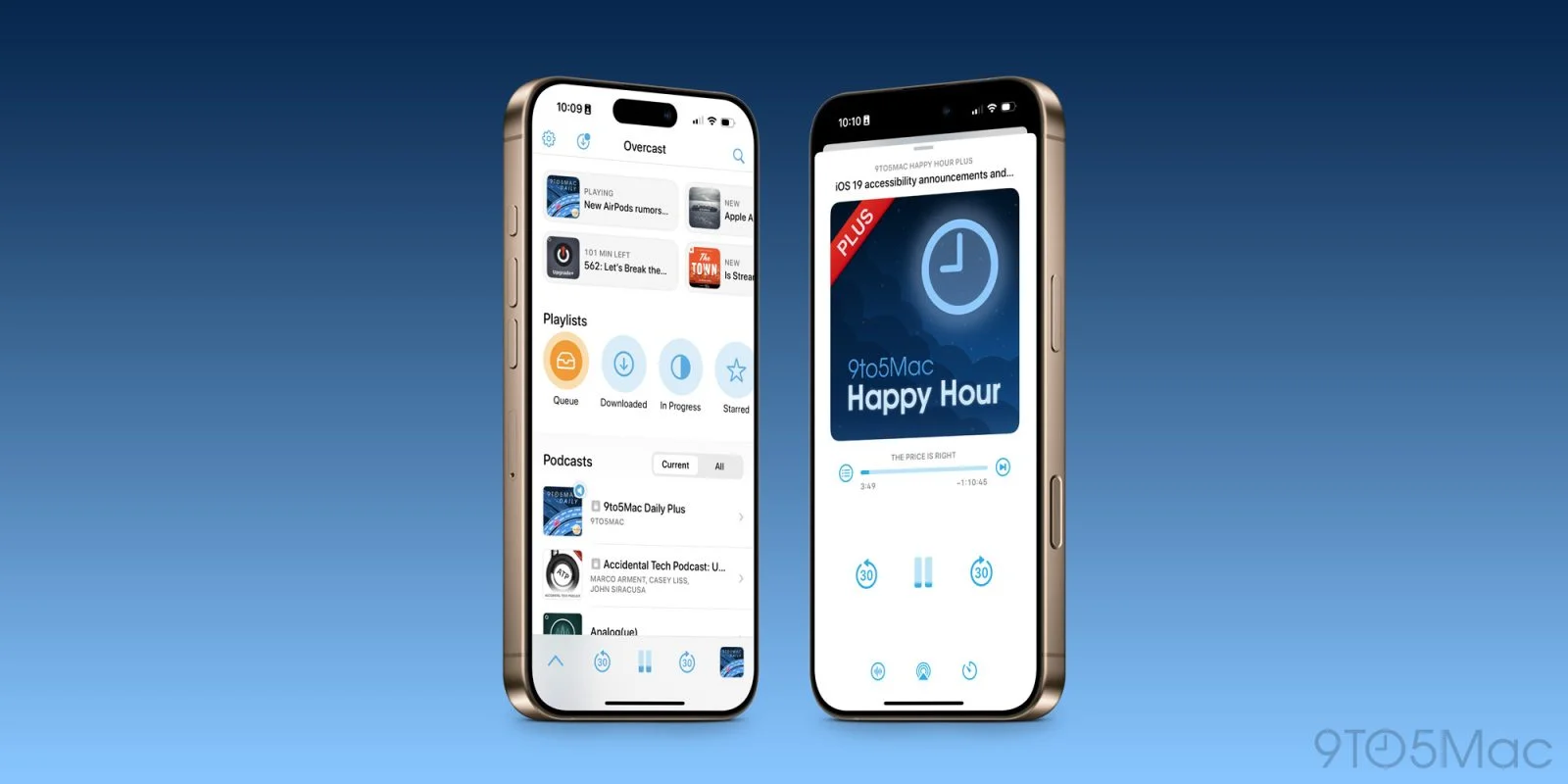
The Apple Music overhaul introduces five new features that modernize the listening experience, addressing long-standing user requests around playlist management and discovery. Apple Podcasts gains an enhanced video experience, a strategic move as video podcasts continue gaining market share against traditional audio-only formats. The return of Safari's Compact tab bar option demonstrates Apple's willingness to restore features after user feedback—a design philosophy shift worth noting.
These changes collectively suggest Apple is responding to competitive pressure in the tablet space. As Android tablets from Samsung and others gain sophistication, Apple needs to ensure iPadOS doesn't feel stagnant between major annual releases. Mid-cycle updates like 26.4 keep the platform feeling fresh and responsive to user needs.
The Risk Factor: Why Second RCs Happen
Apple's acknowledgment that a second RC might be necessary reflects the inherent complexity of modern operating systems. Despite rigorous internal testing protocols, certain bugs only manifest under specific conditions that testers encounter.
Battery drain issues, for example, might only appear when particular app combinations run simultaneously. Bluetooth connectivity problems could be specific to certain accessory manufacturers. Performance degradation might only affect older iPad models under memory pressure. These scenarios are difficult to predict and test comprehensively before wider distribution.
When Apple does ship a second RC, it's typically a focused fix addressing one or two critical issues rather than a broad revision. The public launch then shifts by several days, but the company prioritizes stability over meeting arbitrary deadlines—a lesson learned from past releases that shipped with prominent bugs.
What Users Should Do Now
For those already enrolled in Apple's beta program, installing the RC is advisable. It represents the most stable pre-release version available and provides a preview of what's coming. However, mission-critical devices should remain on stable releases until the public version ships.
Developers should prioritize testing their apps against this RC immediately. Any compatibility issues discovered now can be addressed before the public launch, preventing negative reviews and support requests. Pay particular attention to features that interact with the updated system apps—Apple Music integration, Safari extensions, and podcast-related functionality.
Average users not enrolled in beta programs should prepare for the update by ensuring adequate storage space and backing up their devices. iPadOS updates typically require 3-5GB of free space, and the installation process goes more smoothly when devices aren't storage-constrained.
The Broader Context of Apple's Update Cadence
This release fits into Apple's evolved approach to software updates. The company has moved away from cramming all features into annual releases, instead distributing significant updates throughout the year. This strategy reduces the pressure on fall releases, allows faster response to competitive threats, and keeps users engaged with the platform year-round.
The .4 update designation typically arrives in late winter or early spring, positioning it as a refresh before WWDC announcements dominate the conversation. It's substantial enough to generate press coverage and user excitement, but not so massive that it overshadows the next major version announcement coming in June.
Looking ahead, the smooth deployment of iPadOS 26.4 will be crucial for maintaining user confidence as Apple prepares to preview iPadOS 27 at WWDC. Any significant issues with this release could create hesitation around adopting the next major version when it ships in the fall. The stakes for getting this RC right are higher than they might initially appear.